
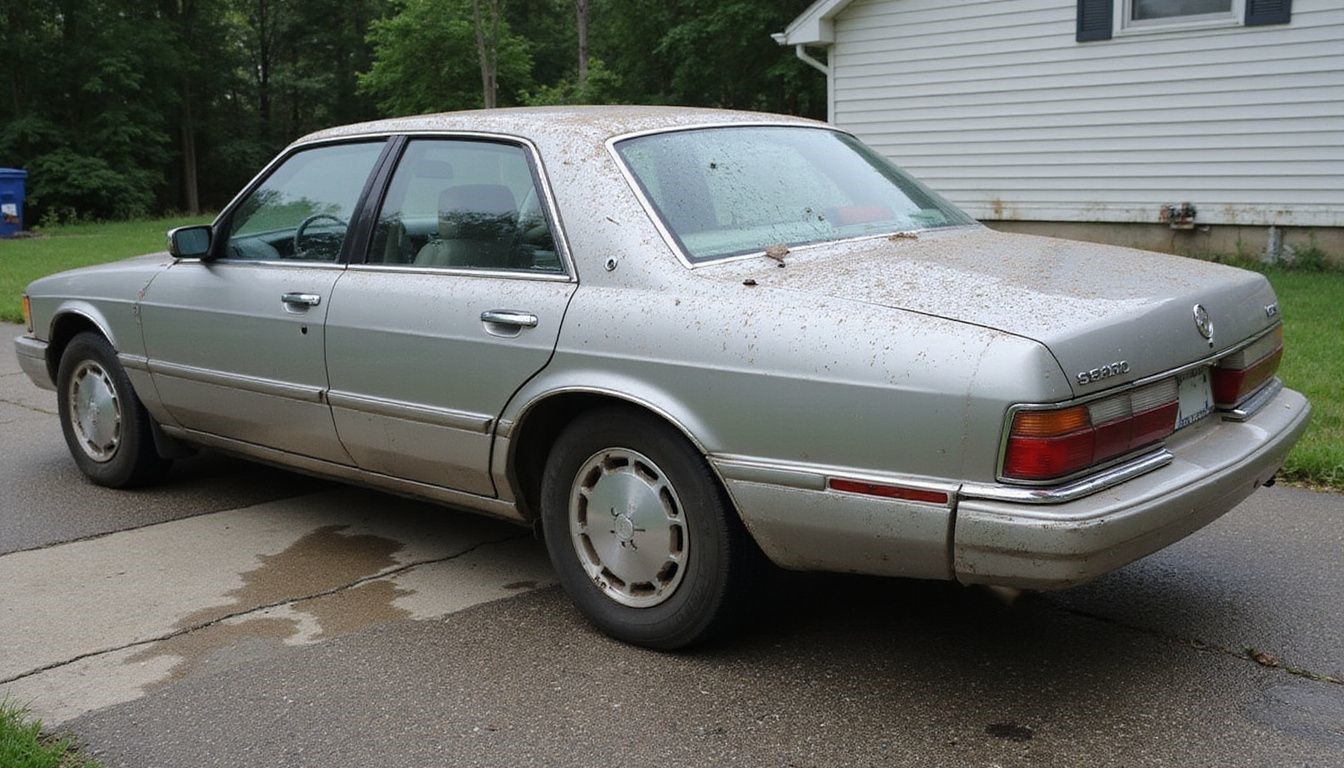
Hail storms can hit hard and leave your car with dents and scratches. This makes fixing hail damage a task you might face sooner or later, especially in Dallas. Knowing how to tackle this can save you time and money.
With years of experience in auto repairs, I’ve seen the best and worst ways to deal with hail damage. This guide will show you how to fix your car’s hail damage using DIY methods and when to call in professionals based on verified reviews.
Ready? Let’s start fixing those dents.
Key Takeaways
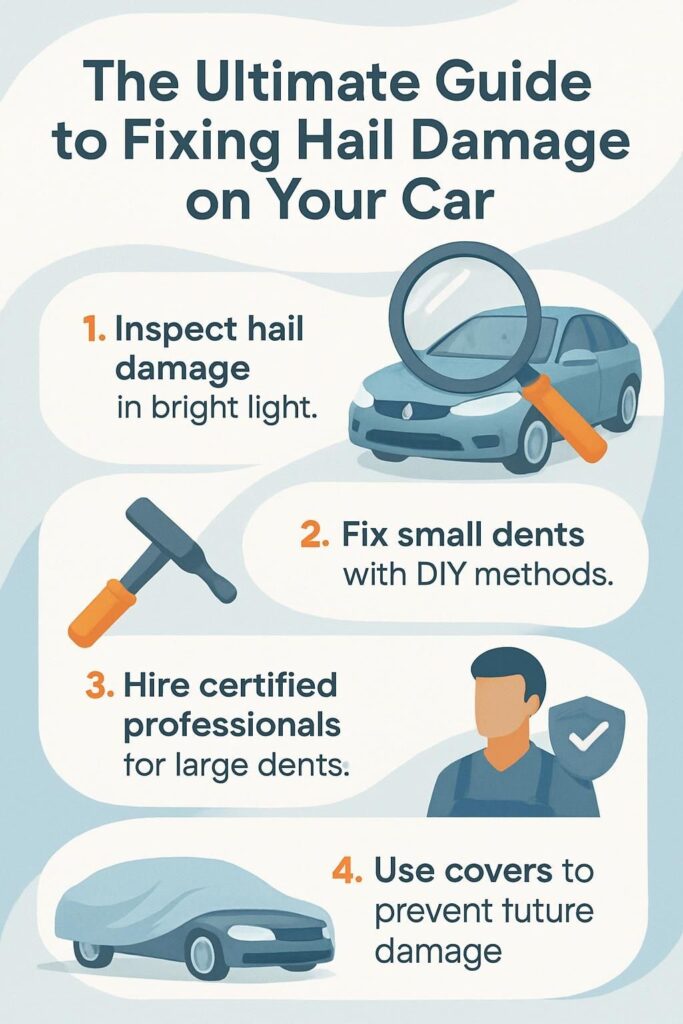
- Check your car for hail damage in bright light using tools like a flashlight and magnifying glass. Take photos from different angles to help with insurance claims.
- You can fix small dents at home using methods like a hairdryer, dry ice, or a paintless dent repair (PDR) kit. These are good for minor dents that don’t hurt the paint.
- For big dents or hard-to-reach places, it’s better to get help from professionals. Look for auto body shops with certified PDR technicians and check their online reviews before choosing one.
- Use protective measures like hail protection covers or parking in covered areas to avoid future hail damage. Planning ahead keeps your car safe during storms.
Always assess the severity of hail damage on your car first. Try DIY repairs if you’re comfortable; otherwise, seek professional help based on how extensive the damage is.
Assessing the Damage
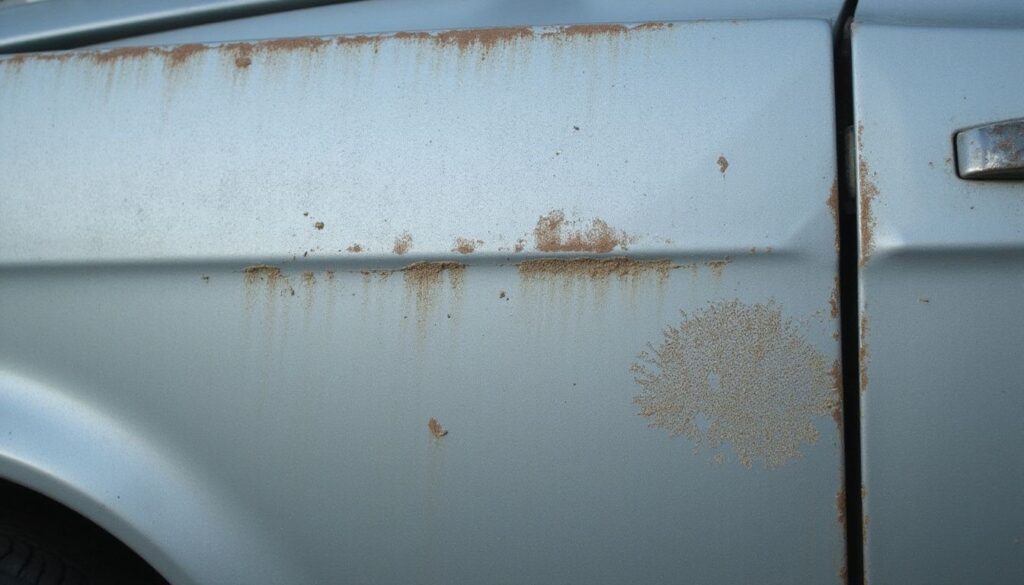
First, look for any dings, folds, or scratches on your car. Then decide how bad the damage is.
Identifying dents, creases, and scratches
To spot hail damage on your car, start in a place with lots of light. You will need some tools: a flashlight, magnifying glass, and a clean cloth to help see the dents better. Hail usually leaves minor dents and dimples on your car’s surface.
These are easy to find during a close look.
In every dent, there’s a story of where we’ve been, and it’s up to us to write the next chapter.
Take photos of all the damages you find. This step is key if you plan to talk to your insurance company about repairs.
- Record the location of each dent or scratch.
- Note the severity of each mark.
- Review the photos to ensure clarity for insurance purposes.
You might also notice scratches aside from dents and creases. Each mark tells you how hard the hail hit or what part of the car got most affected during a storm. Using your tools can make these marks clearer to see.
It makes fixing them easier later on whether you choose DIY hail damage repair or seek professional help from an auto body shop.
Determining the severity of the damage
Hail damage varies. Assessing it is key to your repair options. Start by looking for different types of dents, creases, and scratches on your car’s surface. Minor dents are small and shallow.
They usually do not affect the paint, so you can fix them yourself with DIY hail damage repair methods.
Moderate to severe dents are larger and might have paint damage. These need more attention as they can lower your vehicle’s resale value if left unfixed. Extensive damage may require help from professional auto body shops or collision centers.
Knowing how serious the issue is helps in deciding if using a paintless dent repair kit will work or if you should file an insurance claim for repairs instead.
DIY Hail Damage Repair Methods
You can fix small dents from hail damage at home. You might use a hairdryer, dry ice, or a special kit for paintless dent repair.
Using a hairdryer or heat gun
A hair dryer or heat gun can help fix small dents caused by hail damage. Heat the dent and the area around it for 3 to 5 minutes. This warmth makes the metal more flexible. After heating, spray compressed air on the dent while holding it upside down.
The cold air will create a quick temperature change, making the dent pop out.
This method is part of DIY hail damage repair that you can do at home. You don’t need special skills or tools, just some patience and care. If your car has minor dents from storms in Dallas, try this easy solution before contacting an auto insurance company for professional help.
Applying dry ice to dents
Applying dry ice to dents is a smart way to fix hail damage on your car. This method works well because of the huge change in temperature. Dry ice is very cold and can help pop out those annoying dents.
Make sure you wear gloves when handling dry ice. It can harm your skin if you touch it directly.
To use this method, first, find the dent on your car. Then take a piece of dry ice and place it over the dent for about 30 seconds. You may hear a popping sound as the metal contracts from the cold and then expands back into shape.
If needed, repeat this process until you see improvement. Paintless dent repair becomes easier with this technique, so give it a try before seeking professional hail damage repair services!
Using a paintless dent repair (PDR) kit
Using a paintless dent repair (PDR) kit is a smart choice for fixing hail damage. This method works well without touching your car’s paint. PDR repairs are best for dents that range in size from the size of a dime to half-dollar.
You can buy a PDR kit that includes tools like metal rods and glue pulling kits.
To use it, place the metal rod behind the dent and gently push outward. If you have smaller or medium-sized dents, glue pulling is also effective. Apply glue to the provided tabs and attach them to the dented area.
Pull on these tabs until the dent pops out smoothly.
This DIY option can save you money while keeping your car looking great after storms. It’s quick and easy for most areas but may not reach deeper spots or extensive damages effectively.
When to Seek Professional Help
When your car has serious damage, it’s time to get help. Hard-to-reach spots or big dents need a pro’s touch.
Video: Seeking Professional Help for Hail Damage
Extensive damage or hard-to-reach areas
Hail damage can be serious, especially if the dents are deep or in hard-to-reach spots. If you see major dents or creases, DIY hail damage repair methods may not work well. Areas like along the edges of doors or near windows can be tricky for you to fix on your own.
Professional auto body shops can handle extensive damage better than a do it yourself approach. They use advanced tools like paintless dent repair to restore your car’s shape without harming the paint.
Certified technicians have the skills and experience needed for quality repairs that last. Seeking help from experts ensures your vehicle gets the best care possible after a heavy storm.
Choosing a reputable hail damage repair service
Finding a good hail damage repair service is key. Start by looking for shops with certified Paintless Dent Repair (PDR) technicians. These experts know how to fix dents without damaging your car’s paint.
You want the best care for your vehicle.
Check online reviews before making a choice. Positive ratings show that others had good experiences there. Look also for shops that work with major insurance companies like GEICO and State Farm.
This can make filing insurance claims easier for you.
Do not rush into picking a shop just because it’s close or cheap. Take your time to find one that meets all your needs. A little research now can save you trouble later on, especially after those thunderstorms in Dallas when hail hits hard.
The Role of Paintless Dent Repair in Fixing Hail Damage
Choosing a reputable hail damage repair service is key. One effective option for fixing hail damage is Paintless Dent Repair, or PDR. This method works well because it preserves your car’s original paint finish while saving you money.
PDR can fix dents quickly and efficiently. Most repairs take just a few hours, so you won’t be off the road for long. Many PDR shops also help with insurance claims, making the process smoother for you.
If your car has extensive damage or hard-to-reach areas, professional help may be the best choice.
With PDR, you can restore your vehicle to its former glory without replacing large parts. It’s a smart way to keep costs low while ensuring quality work on your car after hail damage strikes.
Cost Considerations: DIY hail damage repair can be very affordable for minor dents. Professional hail damage repair might involve higher costs but may prevent future issues and protect warranties. Evaluate the risk of further damage and potential extra expenses.
Tips for Preventing Future Hail Damage
Tips for Preventing Future Hail Damage: You can protect your car by using a hail protection cover or parking it in a garage during storms. Want to learn more ways to keep your vehicle safe?
Installing a hail protection cover
Installing a hail protection cover is quick and easy. It takes just 5-10 minutes after practice. You will get a blower assembly, hail cover, storage bag, and an Early Warning Hail Alert Mobile App in the system.
The breathable fabric keeps moisture and heat out while protecting your car from damage.
Setting up the blower is simple too. It can connect to your car’s power plug, an AC adapter, or even batteries. With this proactive measure, you can help safeguard your vehicle against costly hail damage.
Protecting your car now can save you time and money later on!
Parking in covered areas during storms
Parking in covered areas during storms is smart. It protects your car from hail damage. Hail can leave nasty dents and scratches on your vehicle’s surface. Finding a garage or any covered spot can save you from costly repairs.
Severe storms can happen quickly, especially in Dallas.
If you’re out and about, find parking garages or awnings to shield your ride. Even using a car cover helps if no shelter is available. Many local places offer safe spots just for this reason.
Taking these steps could mean the difference between minor repair costs and major hassles like filing an insurance claim.
Plan ahead to avoid hail damage whenever possible. Knowing where to park during storm season gives you peace of mind as a Dallas car owner. This way, you’ll keep your vehicle safe when bad weather strikes next time too!
Conclusion
Our lead expert in car repairs with 20 years of fixing cars damaged by storms, he knows a lot about making cars look new again after hail hits them.
He says fixing hail damage yourself can save money. He likes the idea of using heat or cold to pop out dents. But, he warns that it’s not always easy. Sometimes you need a pro for the big dents or if your car’s paint got hurt.
He talks about safety too. When you fix your car, do it right to avoid more damage. Choose repair shops that are honest and good at what they do.
For everyday life, he suggests simple fixes first like using dry ice or a hairdryer on small dents. For bigger problems, think about getting help from someone who fixes cars without needing to repaint them.
Jack looks at both sides: DIY is cheaper but might not work for big damages. Pros are safer and do a thorough job.
His final advice? If hail hits your car, check how bad it is first. Try some home fixes if you feel okay doing them. If the damage is too much, find a skilled person to help you out based on reviews from other people in Dallas who fixed their cars after hailstorms.
FAQs
1. What is a DIY method to fix hail damage on my car?
A DIY hail damage repair involves using tools and methods at home to fix the dents caused by hail on your car. However, it’s important to consider the risks and warranties that may be affected.
2. How does paintless dent repair work for fixing hail damage?
Paintless dent repair is a process where professionals use special tools to push or pull out the dents from your vehicle without affecting the original paint job, making it an effective way for hail damage repair.
3. Will my car insurance cover the cost of repairing hail damage?
Most comprehensive car insurance policies will cover costs associated with weather-related damages like hail. It’s best to check with your auto loan provider or insurance company about their specific policies regarding such issues.
4. If I can’t drive my damaged vehicle, can I get a rental car while repairs are being done?
Yes, if you have rental reimbursement coverage in your policy, you could be entitled to a rental car while your own vehicle undergoes repairs due to hail damage.
Disclaimer: This content is informational and not a substitute for professional advice. Use do it yourself methods at your own risk and consult professionals for severe hail damage repair. Affiliate Disclosure: No affiliate relationships exist.


Add comment